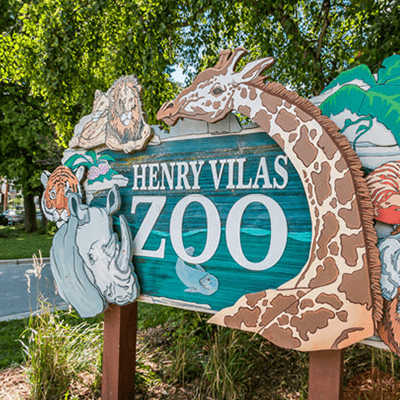
PLAN YOUR VISIT
Open daily from 9:30am – 5:00pm!
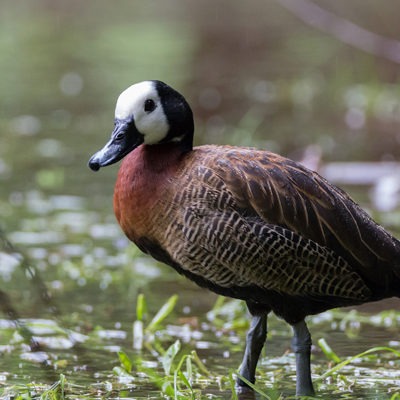
BECOME A MEMBER
Support the Zoo!
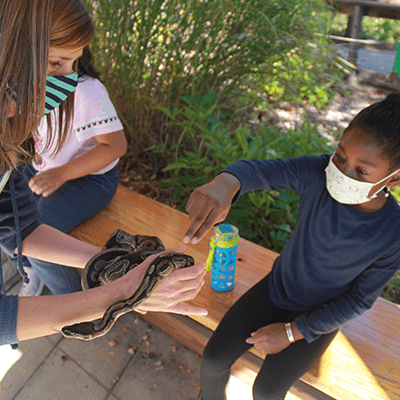
JOIN OUR TEAM
Hiring for 2024
PARTY FOR THE PLANET
Join us on May 4th
Upcoming Events
Animals
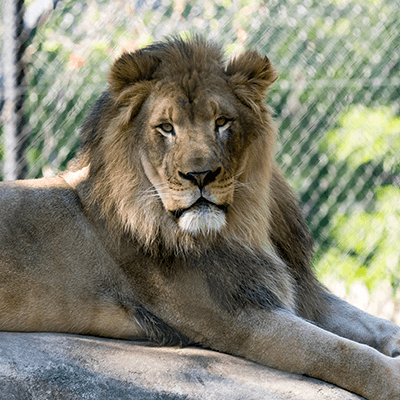
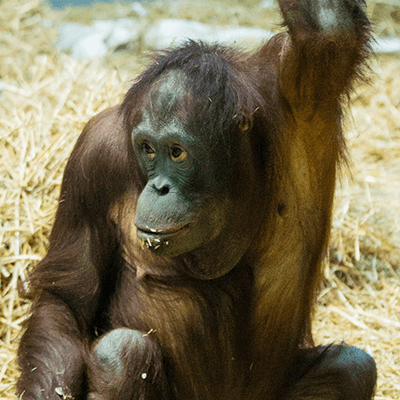
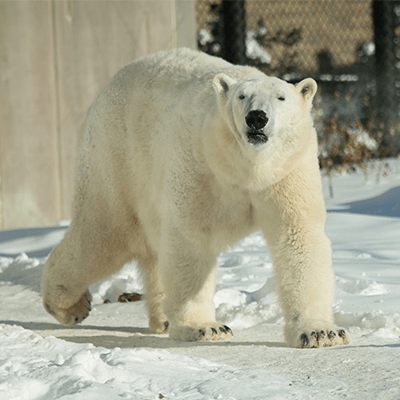
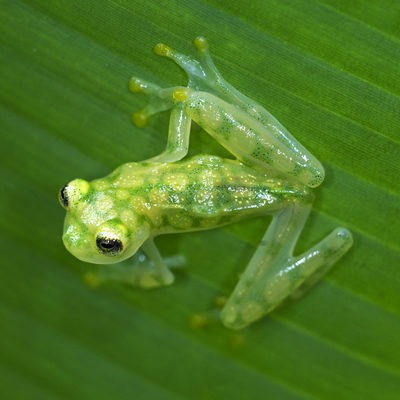
Learn more about our animal friends!
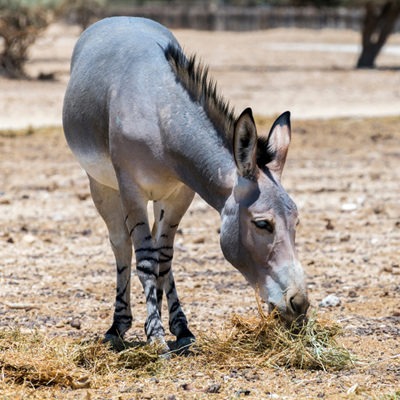
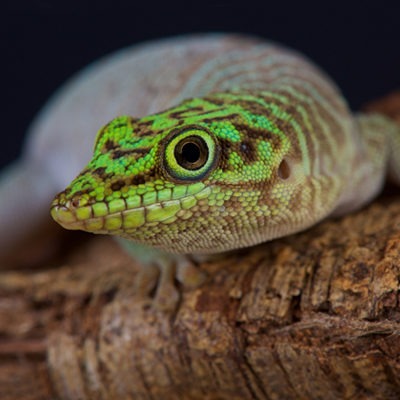
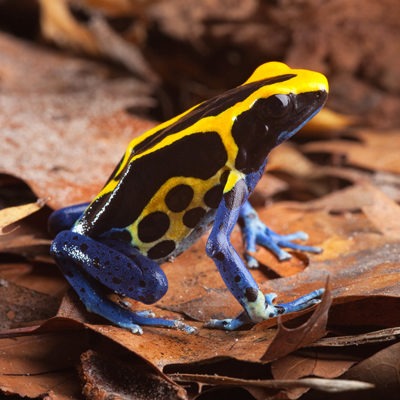
previous slide
next slide

Henry Vilas Zoo
Conservation Club
Show your love and support for animals, conservation and Henry Vilas Zoo by becoming a member today! 50% of all membership dues goes directly towards wildlife conservation!

#HENRYVILASZOO
Take a look at our Instagram page @henryvilaszoo to stay up to date with all things happening around Madison’s favorite zoo. Use the hashtag #HenryVilasZoo and your photo could be featured.
Our Mission
We’re dedicated to exceptional animal care and conserving wildlife through local engagement and global partnerships
Our Vision
Locally loved community treasure.
Globally recognized conservation leader.
Forever accessible.