William F. Vilas and Henry Vilas
|
1904: William F. and Anna M. Vilas - he, a former Army officer, lawyer and U.S. senator - donate a 63-acre tract for a park, with the stipulation that no admission be charged. It was named in memory of the couple's son, Henry, who died at a young age five years earlier due to complications from diabetes.
1911: The zoo officially opens as the first animal exhibits are installed in the park. The first animals exhibited were five whitetail deer donated by T.C. Richmond.
1913: The bear cage is built.
1914: The Madison Zoological and Aquarium Society, the first community group to support the zoo and the forebear of today's Friends of the Zoo, is formed.
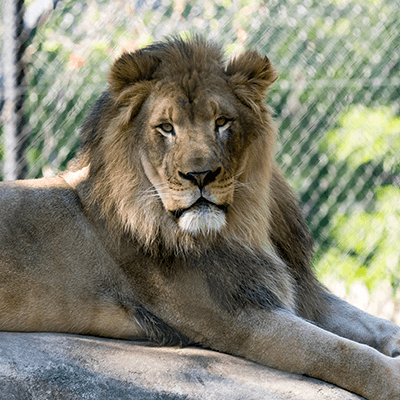
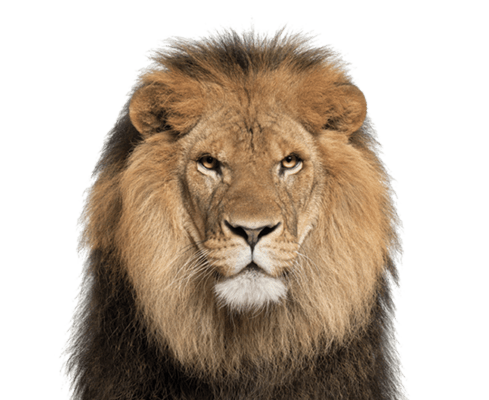
1917: The zoo's first lion house is built.
1918: Annie, the zoo's first elephant, is donated by Alfred Ringling, one of the famous Ringling Brothers. Annie lives until 1948.
1919: The zoo becomes the first in the United States to build a "monkey island." It is replaced in 1934.
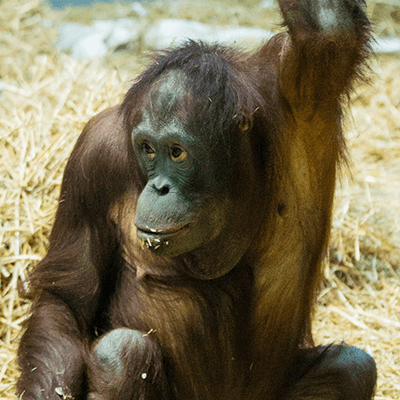
1929: The zoo's primate house is built. The building was remodeled in 1968 to accommodate the zoo's new orangutans.
1937: The city assumes ownership of the zoo, Vilas Park and other parks from the Madison Park & Pleasure Drive Association.
1950: A female named Al Malaikah becomes the first dromedary camel born at the zoo. The zoo would add a building for its camels in 1961.
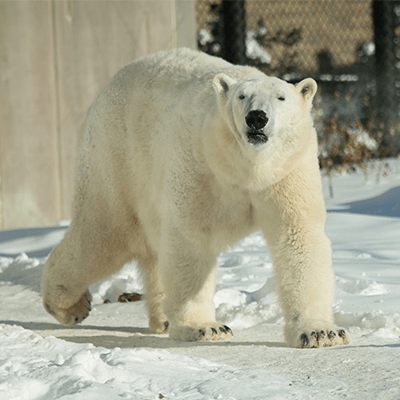
1952: Two new grizzly bears and a polar bear bring the zoo's bear menagerie to 22.
1960: A group of 38 Rhesus monkeys escape from the zoo during a feeding in August, taking refuge in the Vilas neighborhood and UW Arboretum. Most were recaptured days later, but efforts to recapture the final pair last into December.
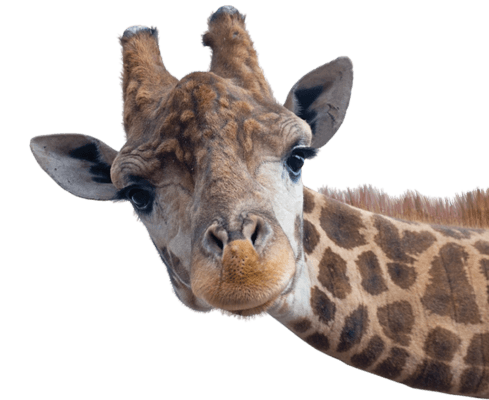
1968: The zoo spends a record $10,000 to bring in a young pair of giraffes.
1972: After nine years of planning and fundraising, the children's zoo opens, allowing kids to get up close and personal with a sea lion, baby elephant, fawns, bear cubs, toucans and other animals.
1973: The zoo unveils a new home for its big cats, replacing the original 1917 lion house.
1977: Zoo opens its otter exhibit.
1983: Ownership of the zoo is transferred from the city of Madison to Dane County, a process that takes a decade to complete.
1988: Two young polar bears are brought to the zoo from Alaska to replace Chief. Though the bears were obtained for free, the community raised in a short time to buy the bears.
1991: The zoological society announces a decade-long $11 million Rezoovenation capital fundraising campaign.
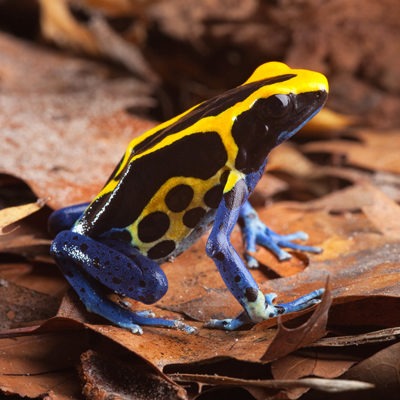
1993: The Discovery Center and herpetarium, home to slithery reptiles and amphibians, opens.
1995: The primate house opens, offering a new roof over the heads of the zoo's orangutans, colobus monkeys and gibbons.
1998: The UW-Madison Primate Center discontinues its monkey exhibit at the zoo after the loss of federal funding and controversy over the use of some of the animals for invasive research.
2000: A new visitors center opens after a $1.25 million renovation of the former aviary. The center houses a permanent zoo history exhibit and temporary exhibits. The zoo loses its two elephants after the Association of Zoos and Aquariums determines they should be housed in more open areas.
2003: The zoo opens its new $4.2 million tropical rain forest aviary and completes a concept plan for the $27 million Zoo Century capital campaign.
2006: North American Prairie exhibit with bison, prairie dogs and a badger opens. The Conservation Carousel begins offering rides for $1.
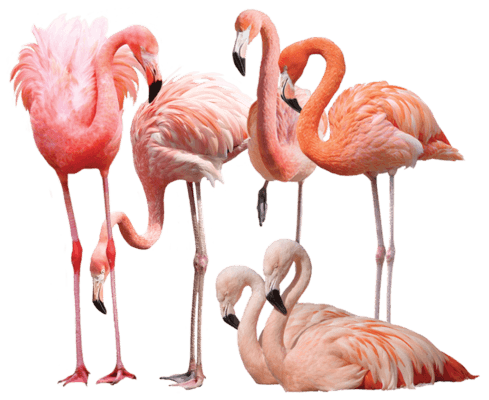
2008: Year-round flamingo exhibit opens. Children's Zoo train begins to offer rides.
2009: To help Dane County through a difficult economic time, the zoological society agrees to contribute more than $500,000 more to zoo operations than originally planned.